A 45-year-old Seattle homeowner spent months visiting doctors for chronic fatigue, brain fog, and persistent headaches before discovering black mold growing behind her bathroom wall. Within weeks of professional mold removal, her symptoms dramatically improved. This isn't an isolated case — mold toxicity affects thousands of Washington residents each year, often going undiagnosed because its symptoms mimic other conditions.
Mold toxicity occurs when toxic mold species release mycotoxins into your indoor air, triggering immune responses and inflammatory reactions throughout your body. Unlike simple mold allergies, mold toxicity involves systemic poisoning that can affect multiple organ systems simultaneously.
Key Takeaway
Mold toxicity symptoms often develop gradually over months, making them easy to dismiss as stress, aging, or other health conditions. Early recognition can prevent serious long-term health complications.
10 Warning Signs of Mold Toxicity
Mold toxicity manifests through a complex array of symptoms that affect neurological, respiratory, and immune system function. These ten warning signs represent the most common indicators that toxic mold exposure is compromising your health.
Is Your Mold Toxic?
Not all mold produces dangerous toxins, but certain species pose significant health risks. Stachybotrys chartarum (black mold), Aspergillus, and Penicillium are among the most toxic varieties commonly found in water-damaged homes. These species thrive in Washington's humid climate, particularly during our wet winter months.
Toxic mold differs from common household mold in several ways:
| Characteristic | Toxic Mold | Common Mold |
|---|---|---|
| Health Impact | Systemic toxicity, organ damage | Allergic reactions, respiratory irritation |
| Appearance | Dark green/black, slimy texture | Various colors, powdery or fuzzy |
| Smell | Strong musty, earthy odor | Mild musty smell |
| Growth Pattern | Spreads rapidly in water-damaged areas | Grows slowly in humid conditions |
Neurological Symptoms
Brain fog and cognitive dysfunction represent the most commonly reported neurological symptoms of mold toxicity. Patients describe feeling like they're "thinking through cotton" or experiencing significant memory lapses.
Chronic headaches often accompany cognitive symptoms, typically presenting as pressure-type headaches that worsen in moldy environments. These headaches rarely respond to over-the-counter pain medications and may intensify during humid weather.
Mood changes including depression, anxiety, and irritability frequently develop as mycotoxins affect neurotransmitter production. Many patients report feeling emotionally unstable or experiencing personality changes that concern family members.
Respiratory Manifestations
Persistent coughing without infection represents a hallmark respiratory symptom of mold toxicity. This dry, hacking cough often worsens at night or when spending time in affected areas of the home.
Shortness of breath during normal activities signals more serious respiratory involvement. Unlike exercise-induced breathlessness, mold-related breathing difficulties occur during routine tasks like climbing stairs or light housework.
"We see patients whose asthma suddenly becomes uncontrollable after years of good management — often the trigger is hidden mold growth from undetected water damage." — Environmental Health Specialist
Sinus congestion and post-nasal drip persist despite antihistamine treatment. This chronic inflammation results from direct mycotoxin exposure to nasal and sinus tissues.
Physical and Systemic Symptoms
Chronic fatigue affects nearly 90% of mold toxicity patients according to research from the International Society for Environmentally Acquired Illness. This isn't ordinary tiredness — it's profound exhaustion that doesn't improve with rest.
Joint and muscle pain without injury or arthritis often develops gradually. Patients describe deep, aching pain that moves between different body areas and intensifies during damp weather.
Skin reactions including rashes, hives, or unexplained itching may appear anywhere on the body. These dermatological symptoms often resist topical treatments and correlate with mold exposure levels.
Digestive and Immune System Impact
Gastrointestinal symptoms including nausea, diarrhea, and abdominal pain frequently accompany mold toxicity. Mycotoxins disrupt gut microbiome balance, leading to digestive dysfunction and nutrient malabsorption.
Increased susceptibility to infections signals immune system compromise. Patients often experience frequent colds, recurring sinus infections, or slow wound healing as their immune response becomes overwhelmed.
Understanding Mold Toxicity vs. Mold Allergy
Mold toxicity differs fundamentally from mold allergies in both mechanism and severity. Mold allergies trigger immediate immune responses — sneezing, watery eyes, and congestion — that typically resolve when exposure ends.
Mold toxicity involves mycotoxin poisoning that accumulates over time, creating systemic inflammation and cellular damage. These toxic compounds bind to tissues throughout the body, causing symptoms that persist long after exposure cessation.
Risk Factors for Mold Toxicity
Certain individuals face higher risks for developing mold toxicity symptoms. Genetic variations in detoxification pathways affect approximately 25% of the population, making these individuals more susceptible to mycotoxin accumulation.
Pre-existing health conditions including autoimmune disorders, chronic fatigue syndrome, or multiple chemical sensitivities increase vulnerability to mold-related illness.
Age factors also play a role — children and elderly adults show greater susceptibility due to developing or declining immune systems.
Common Sources of Toxic Mold in Washington Homes
Washington's climate creates ideal conditions for toxic mold growth, particularly during our extended wet seasons. Understanding where mold typically develops helps homeowners identify potential exposure sources.
Water Damage Locations
Bathroom areas with poor ventilation commonly harbor toxic mold, especially behind tiles, under flooring, and around bathtubs. Steam and humidity create perfect growing conditions for dangerous species.
Basement and crawl space moisture from groundwater seepage or poor drainage frequently leads to extensive mold colonies. These hidden growths often go undetected for months or years.
Roof leaks and window seal failures allow water infiltration that feeds mold growth within wall cavities. By the time visible signs appear, significant contamination may already exist.
HVAC System Contamination
Heating and cooling systems can distribute mold spores throughout entire homes when ductwork becomes contaminated. Condensation within ducts creates moisture that supports mold growth, while the air circulation spreads toxins to every room.
According to the Environmental Protection Agency, contaminated HVAC systems represent one of the most serious sources of indoor mold exposure because they continuously circulate contaminated air.
When to Seek Professional Mold Assessment
Professional mold assessment becomes necessary when multiple toxicity symptoms persist despite medical treatment, or when you suspect hidden mold growth in your home.
Warning Signs Requiring Immediate Attention
Seek emergency mold assessment if you experience severe respiratory distress, neurological symptoms that interfere with daily function, or multiple family members developing similar unexplained symptoms simultaneously.
Visible mold growth covering more than 10 square feet requires professional remediation according to EPA guidelines. Attempting DIY removal of large contaminated areas often spreads spores and increases exposure risks.
"The biggest mistake homeowners make is trying to clean toxic mold themselves — this usually makes the problem worse and increases health risks for the entire family."
Health Testing and Diagnosis
Diagnosing mold toxicity requires specialized testing that many conventional doctors don't routinely perform. Mycotoxin urine tests can detect specific toxin levels in your body, while visual contrast sensitivity testing assesses neurological impact.
Laboratory Testing Options
Urine mycotoxin panels test for multiple toxin types including ochratoxin A, aflatoxins, and trichothecenes. These tests provide quantitative data about toxin burden and help guide treatment decisions.
Complete blood chemistry panels may reveal inflammatory markers, immune dysfunction, or liver stress patterns consistent with mycotoxin exposure.
Genetic testing for biotoxin susceptibility can identify individuals with impaired detoxification pathways who face higher risks for mold-related illness.
Immediate Steps for Suspected Mold Toxicity
If you suspect mold toxicity, take immediate action to limit further exposure while arranging professional assessment and remediation.
Exposure Reduction Strategies
Remove yourself from the contaminated environment as much as possible. Consider staying elsewhere temporarily if symptoms are severe or if extensive mold growth is visible.
Run air purifiers with HEPA filters in affected areas to reduce airborne spore concentrations. However, understand that air filtration alone cannot eliminate established mold colonies.
Avoid disturbing suspected mold growth through cleaning attempts or renovation activities, which can release massive spore quantities into the air.
Documentation and Preparation
Document your symptoms with dates, severity levels, and potential triggers. This information helps healthcare providers and mold professionals understand your exposure patterns.
Take photographs of any visible mold growth, water damage, or moisture problems before professional assessment. Visual documentation supports insurance claims and guides remediation planning.
Professional Mold Remediation Process
Professional mold remediation follows strict protocols designed to eliminate contamination while preventing cross-contamination to unaffected areas.
Assessment and Containment
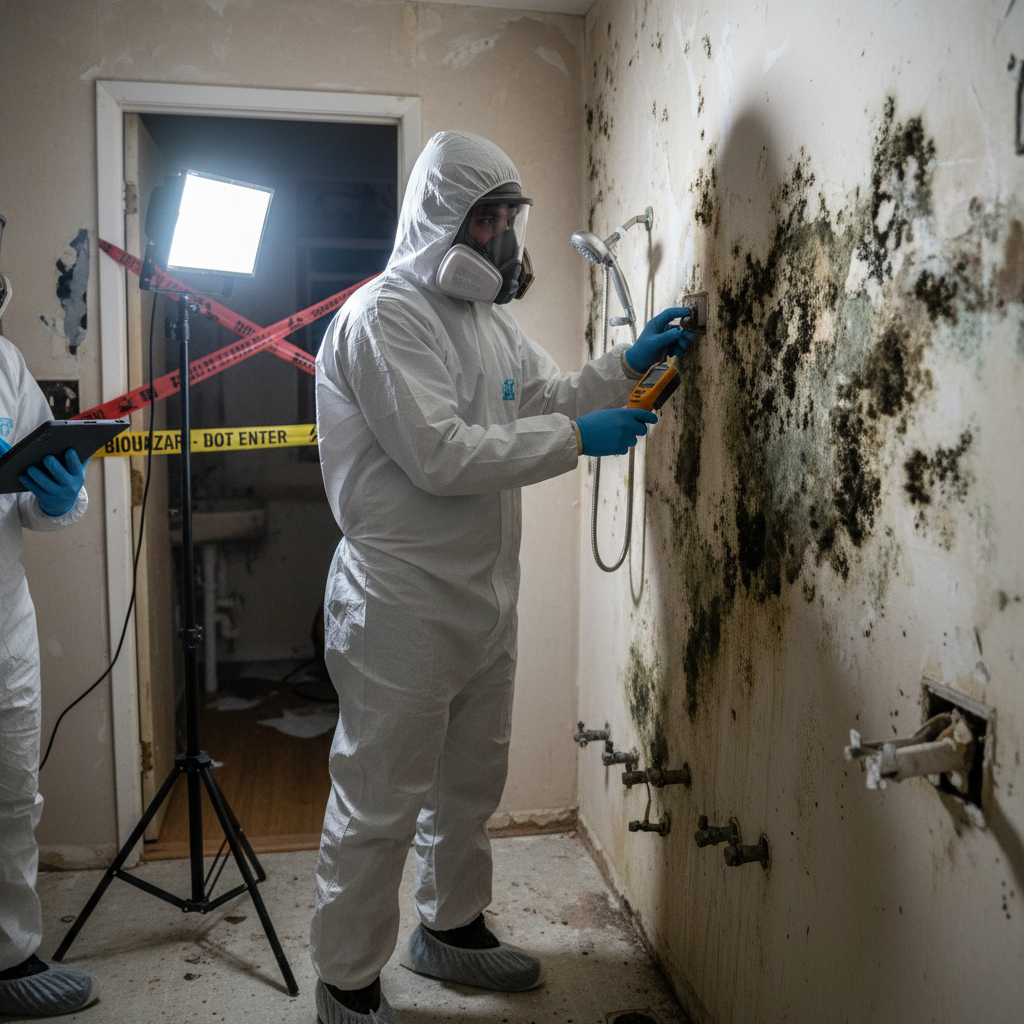
Certified mold remediation specialists begin with comprehensive moisture and mold testing to determine contamination extent and identify all affected areas, including hidden growth within wall cavities or HVAC systems.
Containment barriers prevent spore migration during removal activities. Professional-grade negative air machines create pressure differentials that direct airflow away from clean areas.
Removal and Restoration
Safe mold removal requires specialized equipment including HEPA vacuums, antimicrobial treatments, and personal protective equipment. Contaminated materials may require complete removal and replacement rather than surface cleaning.
Post-remediation verification testing confirms successful mold elimination and ensures safe reoccupancy. This final step provides documentation that the remediation met industry standards.
Long-term Health Recovery
Recovery from mold toxicity often requires months of detoxification support and immune system rehabilitation. Working with healthcare providers experienced in environmental illness improves treatment outcomes.
Detoxification Support
Binders such as activated charcoal, bentonite clay, or prescription cholestyramine help remove mycotoxins from the body. These treatments must be carefully timed and monitored to avoid nutrient depletion.
Liver support through milk thistle, glutathione, or N-acetylcysteine enhances the body's natural detoxification pathways. Supporting liver function becomes crucial when toxin burden overwhelms normal elimination processes.
Prevention Strategies for Washington Homes
Preventing mold toxicity requires proactive moisture control and regular home maintenance, particularly important in our humid Pacific Northwest climate.
Moisture Control Measures
Maintain indoor humidity levels between 30-50% using dehumidifiers during wet seasons. Monitor humidity with digital hygrometers placed in basements, bathrooms, and other moisture-prone areas.
Improve ventilation in bathrooms, kitchens, and laundry areas through exhaust fans that vent directly outside. Ensure fans operate for at least 30 minutes after shower use to remove excess moisture.
Address water intrusion immediately when it occurs. Even small leaks can create conditions for toxic mold growth within 24-48 hours under the right conditions.
Regular Inspection and Maintenance
Inspect your home quarterly for signs of water damage, including discoloration, soft spots in walls or ceilings, and musty odors. Early detection prevents minor moisture problems from becoming major mold issues.
Clean gutters and maintain proper drainage around your home's foundation. Poor exterior water management creates moisture problems that lead to basement and crawl space mold growth.
Key Takeaway
Mold toxicity symptoms often improve dramatically once the source is properly remediated and detoxification begins. However, recovery requires both professional mold removal and appropriate medical support.
Why Choose BestDry for Mold Assessment and Remediation
At BestDry, we understand that mold toxicity affects your entire family's health and well-being. Our experienced team combines advanced detection technology with proven remediation techniques to eliminate mold contamination safely and completely.
We serve homeowners throughout King, Snohomish, and Pierce County with 24/7 emergency response and comprehensive mold services. Our PHCC Washington membership and 20 years of experience ensure your mold problem receives expert attention from licensed professionals.
Don't let mold toxicity compromise your family's health. Contact BestDry today for professional mold assessment and remediation services that restore your home to a safe, healthy environment.