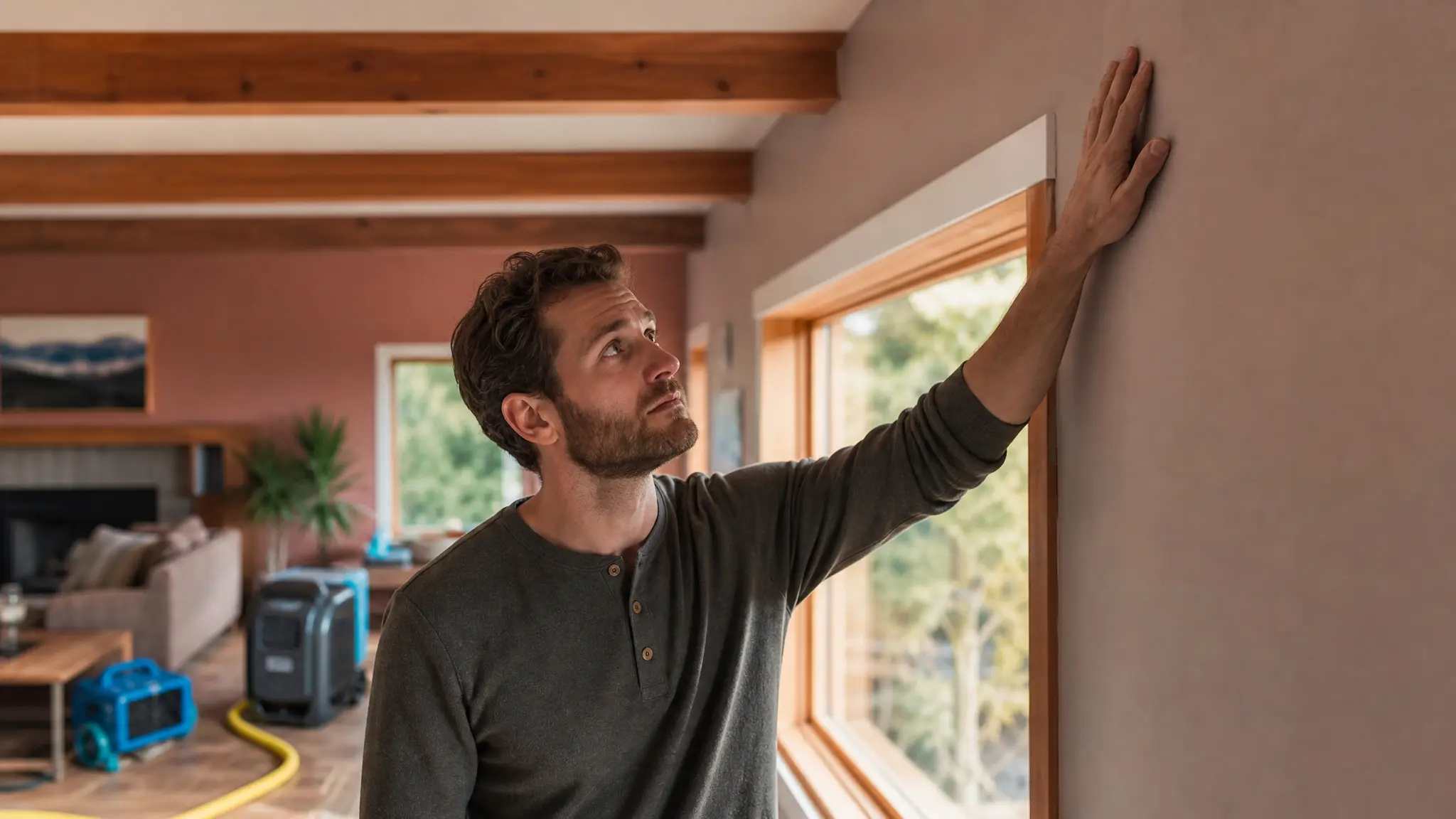
Hidden Water Damage After Storm: What Every Homeowner Needs to Know
June 17, 2026 · 12 min read
Last month's Pacific Northwest storm left 40,000 homes without power across King County. While crews worked to restore electricity, a more insidious problem was brewing inside thousands of homes: hidden water damage that homeowners wouldn't discover for weeks.
Storm-related water intrusion doesn't always announce itself with obvious flooding. The most destructive water damage often happens silently — behind walls, under floors, and in crawl spaces where moisture creates the perfect breeding ground for mold and structural decay.
Key Takeaway
Hidden water damage from storms can cause more long-term destruction than visible flooding. Early detection saves thousands in repair costs and protects your family's health.
Signs of Water Damage After Storm
Detecting concealed water intrusion requires knowing where to look and what warning signs indicate moisture problems. Most homeowners miss these early indicators because they're not obvious like standing water or ceiling stains.
Storm Damage Water Leak Detection
Professional leak detection becomes critical after severe weather events. Storm damage creates multiple entry points that allow water to penetrate your home's envelope in unexpected ways.
Roof penetration points are the most common culprits. Wind-driven rain forces moisture through compromised shingles, loose flashing, and damaged gutters. Even minor roof damage can channel hundreds of gallons into wall cavities during extended storms.
Foundation vulnerabilities multiply during storms when saturated soil creates hydrostatic pressure against basement walls. Hairline cracks that were previously dry suddenly become water highways.
Window and door seals fail under the pressure of wind-driven rain. Horizontal rain hits these barriers at angles they weren't designed to handle, forcing moisture past weatherstripping and caulk lines.
"At BestDry, we understand that your home is more than just a building — it's your sanctuary, your investment, and your family's safe haven."
Visual Warning Signs You Can't Ignore
Certain visual cues indicate hidden moisture problems even when no obvious water is present:
- Discoloration patterns on walls or ceilings, especially yellow or brown rings
- Paint bubbling or peeling in areas that weren't previously damaged
- Wallpaper lifting at seams or corners
- Warped baseboards or trim pieces pulling away from walls
- Carpet edges curling or developing dark spots
- Efflorescence — white, chalky deposits on concrete or masonry surfaces
Odor Detection Techniques
Your nose often detects water damage before your eyes. Musty, earthy odors indicate mold growth, which begins within 24-48 hours of water exposure.
Where Hidden Water Damage Hides
Wall Cavity Infiltration
Water entering through roof damage or siding breaches travels down inside wall cavities, often emerging far from the original entry point. This migration makes source identification challenging without professional equipment.
Insulation acts like a sponge, absorbing water and holding it against framing members. Wet insulation loses its thermal properties and creates ideal conditions for mold growth and wood rot.
Subfloor and Crawl Space Issues
Foundation flooding during storms often goes unnoticed because homeowners don't regularly inspect crawl spaces. Water under homes creates ongoing moisture problems that affect indoor air quality and structural integrity.
of storm-related mold growth occurs in areas homeowners can't easily see
The 24-48 Hour Critical Window
Water damage mitigation becomes exponentially more complex after the first 48 hours. This timeframe represents the difference between simple extraction and comprehensive remediation.
Immediate Action Steps
- Document everything with photos before touching anything
- Stop the water source if safely possible
- Remove standing water using pumps or wet vacuums
- Move salvageable items to dry areas
- Begin air circulation with fans and dehumidifiers
Professional Assessment Timeline
Professional water damage assessment should occur within 24 hours of discovery. Restoration professionals use moisture meters, thermal imaging, and hygrometers to map hidden water intrusion that visual inspection misses.
"Thank you Aaron for everything you and your company did to fix my water leak problems. You are clearly a cut above." — James Clague
Advanced Detection Methods
Thermal Imaging Technology
Infrared cameras detect temperature differences caused by moisture evaporation. Wet areas appear cooler than surrounding dry materials, creating visible patterns that indicate water intrusion paths.
Moisture Meter Readings
| Material | Safe Range (%) | Damage Risk (%) |
|---|---|---|
| Drywall | 0-1% | Above 1% |
| Wood Framing | 6-12% | Above 16% |
| Concrete | 2-4% | Above 6% |
| Carpet | 10-13% | Above 20% |
Health Risks of Undetected Water Damage
Hidden water damage creates health hazards that develop silently over weeks and months. Mold growth, bacterial contamination, and structural instability threaten occupant safety.
Mold Development Timeline
Mold spores exist everywhere in the environment, waiting for the right conditions to colonize. Moisture, organic materials, and temperatures between 60-80°F create perfect growth conditions. According to the EPA, mold growth begins within 24-48 hours of water exposure.
Indoor Air Quality Impact
- Volatile organic compounds (VOCs) from microbial growth
- Increased humidity that promotes dust mite proliferation
- Off-gassing from wet building materials
- Bacterial contamination in standing water areas
Storm Damage Prevention Strategies
Roof and Gutter Maintenance
Roof integrity is your first defense against storm water intrusion. Annual inspections identify vulnerabilities before they become emergency repairs.
- Cleaning gutters and downspouts quarterly
- Inspecting flashing around chimneys and vents
- Replacing damaged or missing shingles
- Sealing penetrations and joints
- Trimming overhanging branches
Foundation and Drainage Improvements
Proper drainage directs storm water away from your foundation, preventing hydrostatic pressure and seepage. Grade slopes, drainage systems, and waterproofing work together to protect below-grade areas.
When to Call Professional Restoration Services
Some water damage situations require immediate professional intervention. Attempting DIY remediation often worsens the problem and creates additional health risks.
Emergency Response Criteria
Call professional restoration services immediately when you discover:
- Standing water covering more than 100 square feet
- Water contamination from sewage or outdoor flooding
- Electrical hazards in wet areas
- Structural damage to floors, walls, or ceilings
- Extensive mold growth or strong musty odors
"Aaron and his BestDry Team are true professionals — they really care for those they're helping as well as for their industry partners. In a service category where it's hard to know who to trust, this team is the real deal!" — Nathan Kelly
Insurance Claims for Storm Damage
Hidden water damage complicates insurance claims because the discovery often occurs weeks after the storm event. Proper documentation and professional assessment strengthen your claim position.
Claims Concierge Support
Professional restoration companies often provide claims support services that help homeowners with the insurance process. This support includes damage documentation, adjuster meetings, and repair coordination.
Regional Storm Patterns in King County
Winter Storm Vulnerabilities
Pacific Northwest winters bring sustained rainfall that tests every aspect of your home's weather resistance. Saturated soil conditions increase foundation pressure while roof systems face extended moisture exposure.
Snoqualmie Valley areas face additional flood risks when river levels rise during prolonged rain events. Homes in Carnation, Duvall, and Fall City require extra vigilance during winter storms. Our teams in Seattle, Bellevue, and Redmond respond 24/7 to storm-related emergencies across King County.
Frequently Asked Questions
Worried About Hidden Storm Damage?
Don't wait until small problems become major repairs. Our team uses thermal imaging and professional moisture detection to find damage you can't see.