Signs You Need Emergency Water Extraction
June 22, 2026 · 11 min read
Water damage doesn't always announce itself with a dramatic flood. Sometimes it creeps in quietly — a slowly spreading stain on the ceiling, a faint musty smell in the hallway, floors that feel slightly soft underfoot. By the time these signs become obvious, significant damage may already be underway. Knowing when you need emergency water extraction can save your home and thousands of dollars in repairs.
1. Standing Water on Any Surface
This one seems obvious, but many homeowners underestimate how quickly standing water causes damage. Even a quarter inch of water across a room is enough to destroy carpet padding, soak into subfloors, and begin warping hardwood. If you see standing water from any source — a burst pipe, overflowing appliance, or roof leak — you need professional extraction immediately.
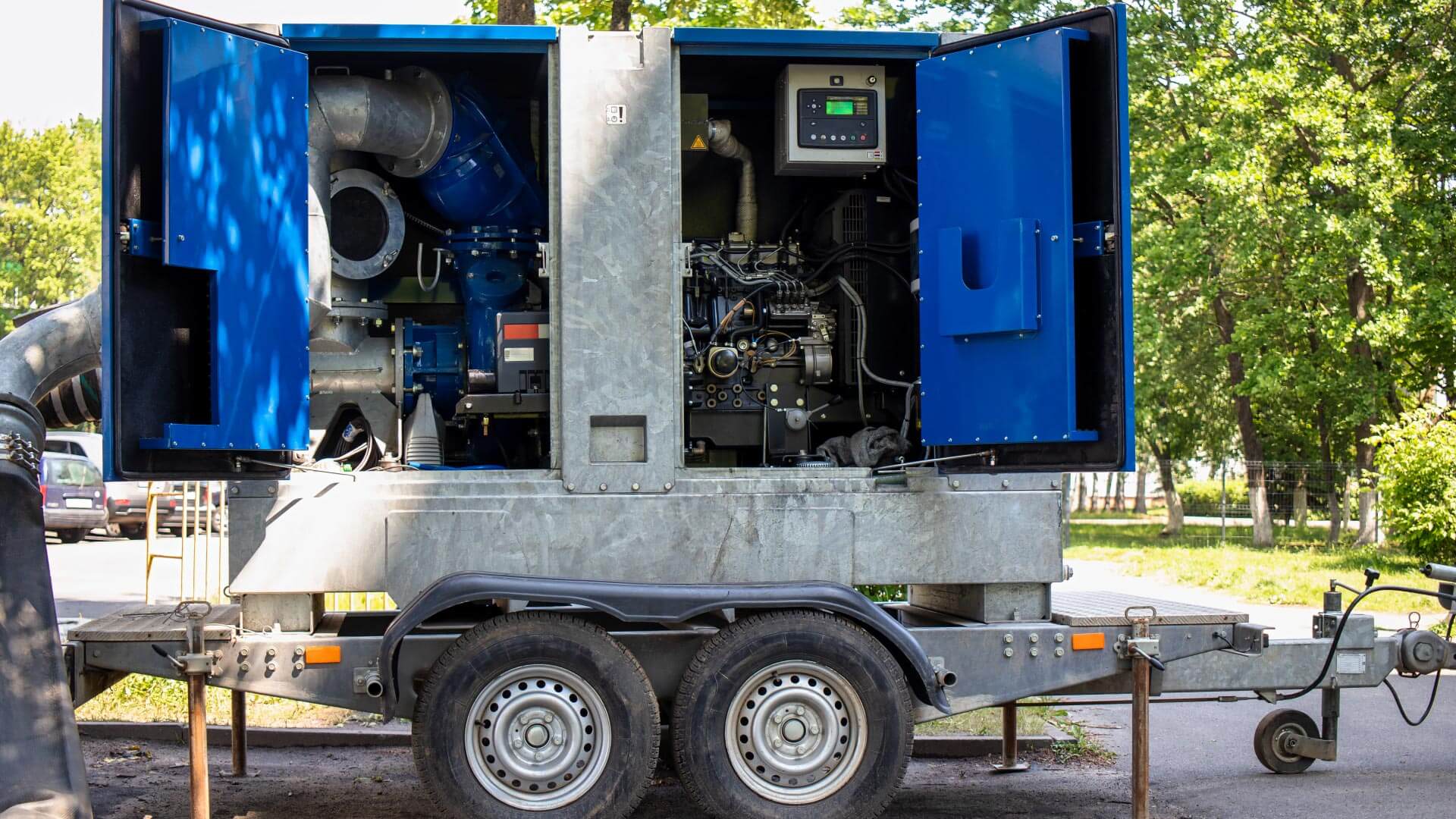
Consumer-grade wet vacuums can't keep up with significant water intrusion. Professional truck-mounted extractors remove hundreds of gallons per hour and reach water trapped deep in carpet padding and subfloor layers that household equipment simply misses.
2. Warping, Buckling, or Soft Floors
When hardwood floors start cupping (edges curling upward) or laminate begins buckling, water is already underneath the surface layer. Soft spots in any flooring material — especially near bathrooms, kitchens, or exterior walls — indicate moisture saturation in the subfloor below.
The longer water sits beneath flooring, the more likely the subfloor itself (typically plywood or OSB) will need complete replacement. Early extraction can save both the visible flooring and the structural subfloor underneath.
3. Water Stains on Walls or Ceilings
Brown or yellowish stains on walls and ceilings are a clear sign of water migrating through structural materials. Ceiling stains are particularly urgent — water pooling above drywall can cause ceiling collapse. If you see a ceiling stain that's growing, sagging, or dripping, leave the area and call for help immediately.
Wall stains near baseboards often indicate a slow leak in the wall cavity. By the time the stain is visible on the surface, drywall, insulation, and framing behind the wall may already be saturated.
4. Musty Odors That Won't Go Away
That earthy, damp smell isn't just unpleasant — it's a biological signal. Musty odors indicate active mold or mildew growth, which means moisture has been present long enough for organisms to colonize. If the smell persists even after cleaning and airing out, hidden water damage is almost certainly the cause.
Common hiding spots: behind walls, under vinyl or tile flooring, inside HVAC ductwork, and in crawl spaces. Professional moisture detection with thermal imaging and pin meters can pinpoint the source without tearing open walls.
5. Unexplained Spike in Your Water Bill
A sudden increase in your water bill with no change in usage often means a hidden leak. Even a small, steady leak can dump hundreds of gallons into your home's structure over weeks. Check your water meter: turn off all water-using appliances and faucets, then watch the meter. If it's still moving, you have a leak.
Hidden leaks under slabs, inside walls, or in crawl spaces are the most damaging because they go unnoticed for weeks or months. By the time they appear as a billing anomaly, structural damage and mold growth may already be significant. Our leak detection service can locate the source quickly.
6. Visible Mold Growth
If you can see mold — even a small patch on a baseboard, behind furniture, or around a window — there's likely a moisture source feeding it. Mold requires sustained moisture to grow, so visible colonies mean ongoing water intrusion that needs to be identified and stopped.
Mold can grow on virtually any organic surface: drywall paper, wood framing, carpet backing, insulation, and even dust accumulation on hard surfaces. Professional remediation addresses both the mold and the water source. Learn more about our mold remediation services.
7. After a Flood, Burst Pipe, or Appliance Failure
Some situations demand immediate professional extraction regardless of visible signs:
- Any amount of flood water entering your home (category 3 — contaminated water requiring specialized handling)
- Burst or leaking pipes that have released water for any length of time
- Appliance failures — water heater ruptures, washing machine hose bursts, dishwasher leaks
- Sewage backups — a health hazard requiring immediate professional response
- Roof damage during storms allowing water entry into attic or living spaces
In these cases, don't wait to see how bad it gets. Shut off the water supply (if applicable), avoid the affected area, and call for emergency extraction. Read more about our burst pipe repair and sewage cleanup services.
See Any of These Signs?
BestDry provides 24/7 emergency water extraction across King County. We arrive fast with commercial-grade equipment, handle insurance claims, and restore your home completely.
Call 206-620-0070Related Articles
Frequently Asked Questions
Need Emergency Water Extraction?
BestDry responds 24/7 with commercial-grade equipment. We handle extraction, drying, repairs, and insurance — start to finish.
Call 206-620-0070