How to Prevent Burst Pipes in Winter
June 22, 2026 · 10 min read
Every winter, thousands of Washington homeowners wake up to the nightmare of a burst pipe. Water gushing from a split copper line behind the wall, pooling across hardwood floors, soaking into drywall. It happens fast, and the damage adds up even faster. The good news? Most burst pipes are preventable with the right preparation.
Why Pipes Burst in Winter
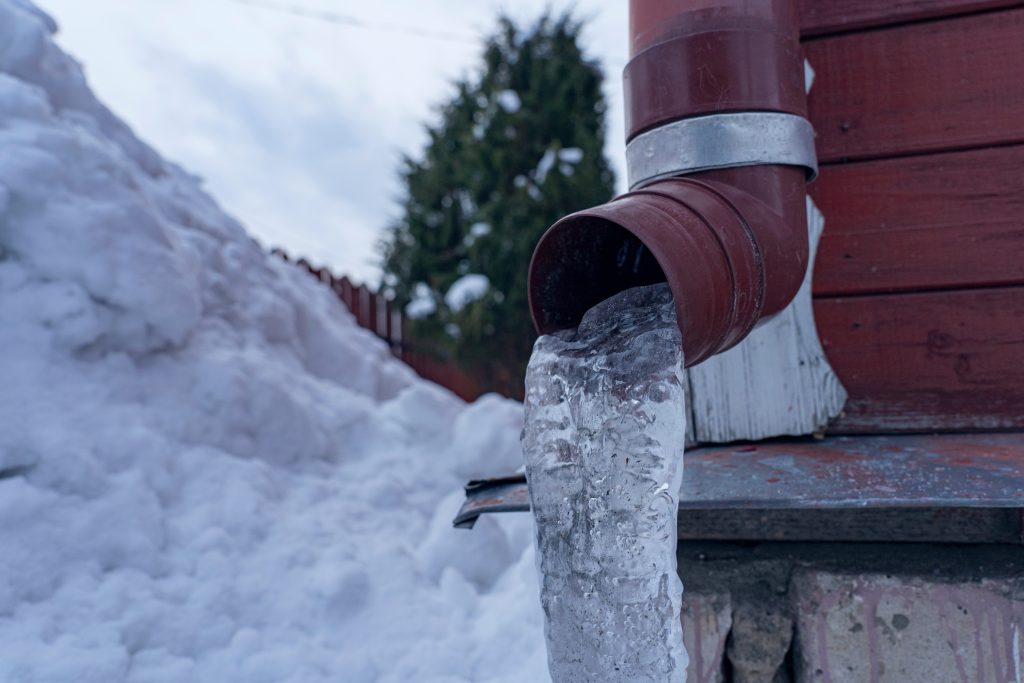
When water freezes inside a pipe, it expands by roughly 9%. But the burst doesn't happen at the ice blockage itself. Instead, pressure builds between the ice plug and your closed faucet, eventually rupturing the pipe at its weakest point. This is why pipes can burst in areas that seem warm — the failure point is often far from where the freezing actually occurs.
In the Pacific Northwest, burst pipes are especially common during sudden cold snaps — those stretches when temperatures plunge into the teens or single digits after weeks of milder weather. Homes built for our typically moderate climate often lack the insulation found in homes up in Minnesota or Michigan.
Why This Is a Real Risk for Washington Homes
Washington homes are built differently than homes in traditionally cold-weather states. Many Eastside homes have plumbing routed through uninsulated crawl spaces, exterior walls, or unheated garages. Older homes in Bellevue, Kirkland, and Issaquah may have copper or galvanized steel pipes that are more susceptible to freeze damage than modern PEX tubing.
Did you know? A single 1/8-inch crack in a pipe can release up to 250 gallons of water per day. That's enough to destroy flooring, walls, and personal belongings in a matter of hours.
Which Pipes Are Most Likely to Freeze
Not all pipes share the same risk. Focus your prevention efforts on:
- Exterior wall pipes — plumbing running through walls that face outside, especially on north-facing sides
- Crawl space pipes — extremely common in Pacific Northwest homes, often the first to freeze
- Attic and ceiling pipes — particularly in homes with bathroom plumbing above uninsulated spaces
- Garage water lines — water heaters and laundry hookups in unheated garages are high-risk
- Outdoor hose bibs — the most frequently damaged, but also the easiest to protect
How to Prevent Burst Pipes: Step by Step
1. Insulate Exposed Pipes
Pipe insulation sleeves (foam tubes) cost about $1 per foot and take minutes to install. Cover all exposed pipes in crawl spaces, garages, attics, and exterior walls. For high-risk areas, consider thermostatically controlled heat cables that activate automatically when temperatures drop.
2. Disconnect and Drain Outdoor Hoses
Before the first freeze, disconnect all garden hoses, drain the lines, and close the interior shut-off valve for outdoor faucets. Install insulated hose bib covers (available at any hardware store for under $5).
3. Keep Your Home Warm — Even When Away
Never set your thermostat below 55°F during winter, even when traveling. Open cabinet doors under kitchen and bathroom sinks to let warm air circulate around pipes. If you're leaving for an extended trip, consider having someone check your home daily.
4. Let Faucets Drip During Freezes
During extreme cold (below 20°F), let faucets served by vulnerable pipes drip slightly. Moving water is much harder to freeze, and the open faucet relieves pressure buildup that causes bursts.
5. Seal Air Leaks Near Pipes
Cold air infiltration through gaps in exterior walls, foundation cracks, and around cable/wire penetrations can freeze nearby pipes. Use expanding foam or caulk to seal any gaps where cold air enters near plumbing.
6. Know Your Shut-Off Valve
If a pipe does burst, shutting off the main water supply quickly is critical. Make sure every adult in your household knows where the main shut-off valve is and how to operate it. Practice turning it off and on so you're not figuring it out during an emergency.
What to Do If You Find a Frozen Pipe
If you turn on a faucet and only get a trickle (or nothing), a pipe may be frozen. Here's what to do:
- Keep the faucet open — as the ice melts, water needs somewhere to go
- Apply gentle heat — use a hair dryer, heating pad, or warm towels. Never use an open flame, propane torch, or space heater directly on pipes
- Work from the faucet back — start warming near the faucet and work toward the frozen section
- Check other faucets — if one pipe is frozen, others may be too
Signs a Pipe Has Already Burst
Sometimes the damage is already done before you notice. Watch for these warning signs:
- Unexplained water sounds (running water when no faucets are on)
- Water stains on walls or ceilings
- Damp or warped flooring
- Musty odors indicating hidden moisture
- Sudden drop in water pressure
- Unusually high water bill
When It Becomes an Emergency
If you discover a burst pipe or significant water damage, time is critical:
- Shut off the main water supply immediately
- Turn off electricity in affected areas if water is near outlets or appliances
- Call BestDry at 206-620-0070 for 24/7 emergency water extraction
- Document everything with photos and video for insurance
Within the first hour, standing water begins saturating structural materials. Within 24 hours, mold can start growing. Professional extraction within the first few hours can mean the difference between a straightforward cleanup and a full-scale renovation. Learn more about our burst pipe repair and restoration process.
Burst Pipe Emergency?
BestDry responds 24/7 across King County. We handle the water extraction, drying, repairs, and insurance documentation — so you can focus on your family.
Call 206-620-0070Related Articles
Frequently Asked Questions
Dealing with Burst Pipe Damage?
BestDry provides 24/7 emergency water extraction and complete restoration across King County. Don't wait — call now.
Call 206-620-0070